For many years, Shared Ownership has played a vital role in the UK’s housing landscape. Designed to help people take their first step onto the property ladder, the model has offered an alternative route to homeownership for buyers who might otherwise struggle to purchase a home outright.
By allowing buyers to purchase a share of the property while paying rent on the remaining portion, Shared Ownership has helped thousands of household’s access homeownership in markets where rising house prices have created barriers to entry.
However, as housing markets evolve and affordability pressures increase, the model is facing renewed scrutiny.
In 2026, Shared Ownership sits at something of a crossroads. Demand patterns are shifting, buyer affordability is tightening and regional incomes differences are becoming more pronounced. These changes are raising important questions about how the model should adapt to remain a visible and effective pathway into homeownership.
Changing Buyer Preferences
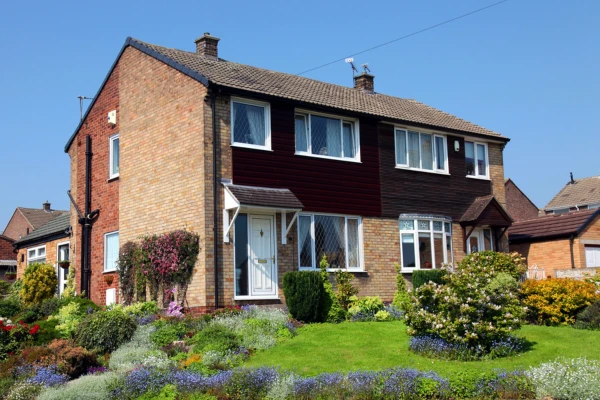
One of the most noticeable shifts in recent years has been the growing demand for houses rather than apartments or flats.
Historically, Shared Ownership developments have been concentrated in apartment-led schemes, particularly in urban areas where land values and density requirements shape development patterns.
However, buyer preferences have evolved. Many households entering the market are now prioritising space, flexibility and long-term sustainability, particularly following changes in working patterns and lifestyle expectations.
As a result, demand for Shared Ownership houses has increased in many areas, creating new challenges for developers and housing providers who must balance buyer demand with land availability and development viability.
Affordability Pressures
Affordability remains one of the defining issues shaping the housing market.
Higher borrowing costs, inflationary pressures and rising living expenses have made it more difficult for many first-time buyers to access mortgage finance. While Shared Ownership can reduce the upfront costs of purchasing a home, buyers still need to demonstrate financial stability and meet mortgage affordability requirements.
In some cases, this can limit the pool of eligible buyers, particularly in areas where incomes have not kept pace with house price growth.
Ensuring that Shared Ownership continues to provide a realistic pathway into homeownership requires careful consideration of how pricing, mortgage accessibility and income levels interact across different regions.
Regional Difference in Demand
Regional income disparities also play a significant role in shaping Shared Ownership markets.
In higher-value regions, the model can help bridge the gap between incomes and property prices. However, in areas where housing remains relatively affordable, Shared Ownership may compete with traditional homeownership options.
Understanding these regional dynamics is essential for housing providers and developers seeking to ensure that schemes align with local demand.
A one-size-fits-all approach may not always deliver the best outcomes, particularly as housing markets across the UK continue to diverge.
Looking Ahead
Shared Ownership remains an important part of the UK’s affordable housing framework. However, evolving market conditions mean that the model must continue to adapt to meet the needs of modern buyers.
Understanding how demand, affordability and regional dynamics are shaping, the sector will be key to ensuring that Shared Ownership remains a genuine and sustainable route onto the housing ladder.
These issues will be explored further during the Does Shared Ownership Still Stack Up? panel session at UKREiiF 2026.
Chaired by Peter Hawley, the discussion will bring together industry voices including Natasha Tull (Guinness Partnerships), Kelly McCabe (TMP Mortgages) and Stuart Hensby (Abri) to examine how Shared Ownership is evolving and what changes may be needed to support its future.
To read more insights and explore all of LRG’s panel sessions at UKREiiF 2026, visit:
👉https://ukreiif.lrg.co.uk/